

Knowledge and Language Computing Laboratory
KaLC Lab, since April 2025, is located in the Institute of Library, Information and Media Science at the University of Tsukuba, Japan.
Latest News RSS
- 2026-09-02: Amélie Chu completed the TSUKUBA Short-term Study Program (TSSP) Research Internship in Library, Information and Media Science, hosted by KaLC Lab from July to August 2026, working on ‘Emotion–Cause Extraction from English Patient Narratives’.
- 2026-06-11: Rueiyang Lin presented at The 40th Annual Conference of the Japanese Society for Artificial Intelligence, 2026.
- 2026-04-11: Our JST FOREST research project, designated TermAtlas, now has a project page introducing our effort to integrate knowledge across all academic fields through automatic construction of specialised dictionaries. A project overview presentation (approx. 10 min) is included.
- 2026-04-01: Four new members joined our lab: a visiting researcher, two master's students, and a research student.
- 2026-02-14: A new How to Join page is now available for prospective students.
Aims
Our Research Direction
Knowledge and Language Computing Laboratory (KaLC Lab) aims at developing computational models of human knowledge and language and apply them to various real-world problems.
Target: Domain Specific Knowledge
Human knowledge spans across various domains such as medicine, law, and art. We aim to model this knowledge into more than a graph.
Method: Natural Language Processing (NLP)
Fully making use of the cutting-edge NLP techniques, we process a wide range of linguistic data that encode human knowledge.
Data: Multi-modal Text
Linguistic data can be found in various forms such as text, speech, and images. Also, the unit of analysis can be a word, sentence, or document. We handle them all.
Outcome: Real-world Applications
We apply our research to real-world problems and develop human-oriented applications that benefit society.
Projects
Active Research Topics
Develop a dictionary construction system that integrates knowledge across all academic fields.
Extract the cause of patient emotions from patient narratives (闘病記).
Enhance collaboration between school librarians and teachers.

PI Message
Welcome to KaLC Lab
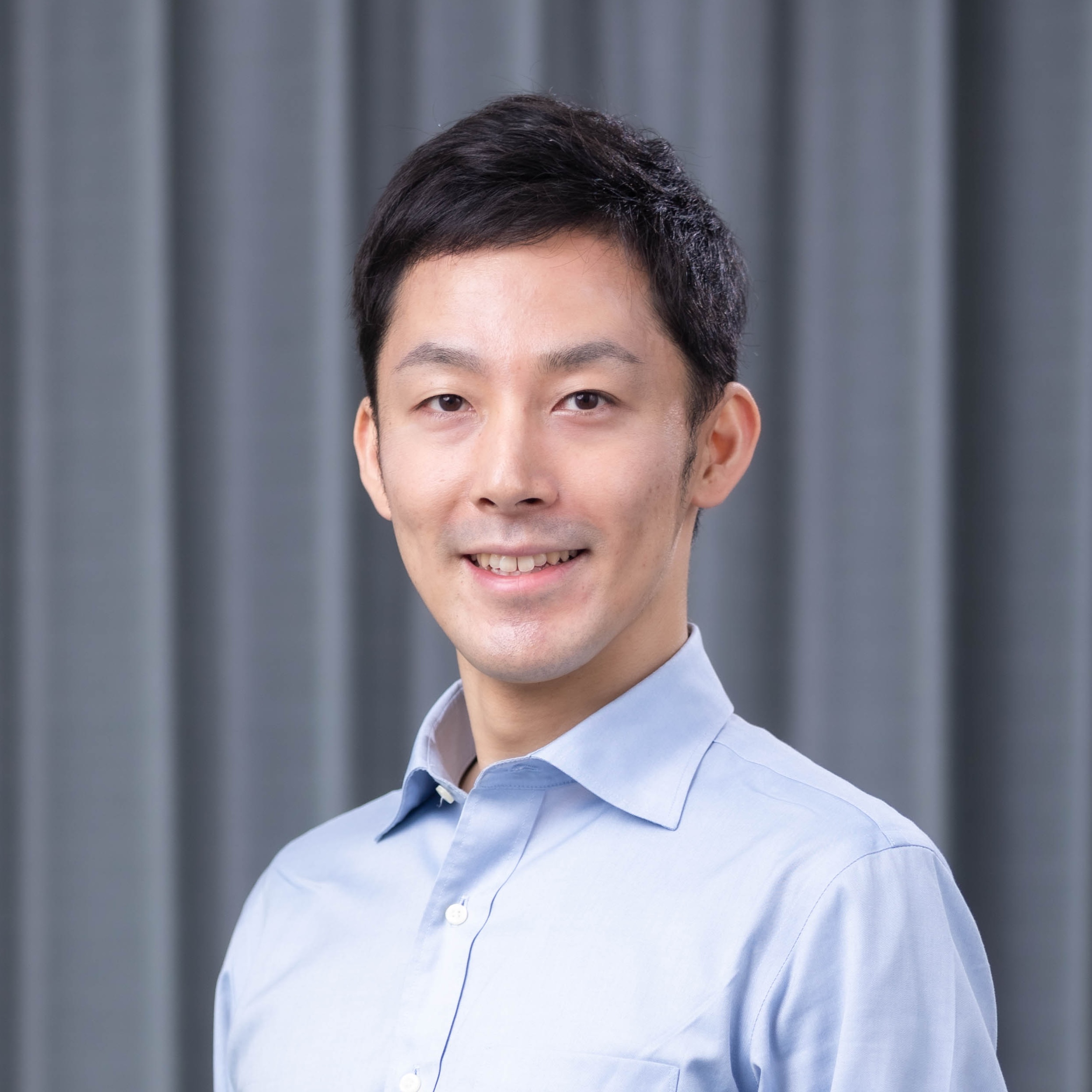
Shuntaro Yada, PhD
Thank you for e-visiting the Knowledge and Language Computing Laboratory (KaLC Lab) at the University of Tsukuba. I am Shuntaro Yada, the Principal Investigator (PI) of the KaLC Lab. I warmly welcome students interested in tackling real-world problems. This challenge always involves understanding human knowledge, and such professional knowledge is often encoded in language. Making use of the latest Natural Language Processing (NLP) techniques, we aim to model human knowledge and apply it to various domains, such as medicine, law, and art.
Students can freely explore their research topics while assisting with the lab's projects. See the How to Join page for prospective students. We also welcome collaborative research with other research groups and companies. Feel free to submit your inquiry via the contact form.
People
Members
Interested in Joining?
We welcome students interested in tackling real-world problems through knowledge and language computing.
FAQs
Frequently Asked Questions
How can I join the lab?
Does the lab accept research students (Kenkyusei)?
Do you hire postdocs or research assistants (RAs)?
Does the lab accept collaborations?
What resources are available in the lab?
What are the lab hours?
Contact Us
If you are interested in our lab, please feel free to contact us via the form below.